

1 min read
Anker Plumbing: Mentoring the Next Generation in the Skilled Trades
When Zac Anker founded Anker Plumbing Ltd. in Muskoka in 2022, he wasn't just pursuing a lifelong dream of owning his own business; he was creating a...
3 min read
Nawaf, a Deaf student at E.C. Drury School for the Deaf in Milton, moved to Canada from Iraq with limited English and no American Sign Language (ASL) skills.
The Skilled Trades Regional Networks is a collaborative project between the Ministry of Education, ApprenticeSearch.com, and Skills Ontario. Together, these partners work with school boards and employers to expand experiential learning opportunities in the skilled trades and promote best practices, such as this inspirational story.
At the heart of the Skilled Trades Regional Networks’ mandate is the belief that cooperative education, apprenticeships, and hands-on experiences are essential for preparing students for meaningful careers. Nawaf’s story is a shining example of how strong partnerships between schools and employers can open doors, especially for students who face additional barriers.
Nawaf, a Deaf student at E.C. Drury School for the Deaf in Milton, moved to Canada from Iraq with limited English and no American Sign Language (ASL) skills.
“Basically, he is unable to communicate because he doesn't know written English. He doesn't know sign language. The only thing he knew was Arabic sign, which none of us know,” recalls Katie Drewes, Guidance Teacher at E.C. Drury.
Despite this challenge, Nawaf’s resilience and work ethic quickly became evident. Katie shares, “I thought this was going to be a tough one, especially because he's older, but as you can see by his co-op history, shortly after all that, he flourished.”
“It’s a mutually beneficial relationship…Employers get motivated, hardworking team members, and students get opportunities they might not otherwise have.”
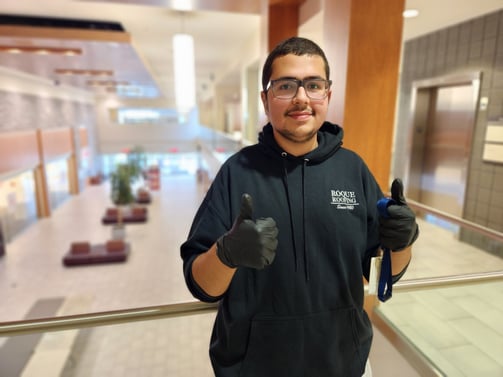 In his second year, Nawaf enrolled in Co-operative Education and was placed at Scott’s Car Care, a local car detailing business. Within weeks, the employer was so impressed that they offered Nawaf paid work beyond his co-op hours.
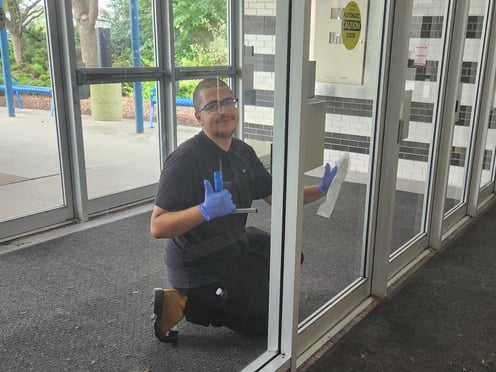
“There’s just something about him,” Katie notes. “Whether it was cleaning, car detailing, or working for the Town, he takes pride in whatever his job is. He wants to do it well.”
The following year, he broadened his experience with a second placement at the Town of Milton Facilities Department. Placed with a Deaf head caretaker, Nawaf gained mentorship while developing new skills in light maintenance and operations. By the end of the term, he had earned permanent employment with the Town of Milton.
“He consistently arrived early, took great pride in his work, and eagerly shared what he was learning whenever I visited,” says Katie.
Katie emphasizes the broader impact of co-op for all students: “Co-op in general, it's getting out of the classroom and into the real world, learning things that are going to be useful down the road in real life.” She adds, “It’s a good way to test the waters before you commit to a major in college or university, working towards a career that you might not even like.”
For students at E.C. Drury, co-op also provides vital exposure beyond the school’s “safe bubble.”
“It gets them out of this safe bubble and gives a little more exposure to what the real world is like,” Katie explains.
 Employer collaboration is key to these successes. Katie highlights the importance of building trust with local businesses: “It’s a mutually beneficial relationship…depending on the business and the student. Employers get motivated, hardworking team members, and students get opportunities they might not otherwise have.”
She continues, “It doesn’t matter if the student is Deaf or hearing. They can do the job, and there are ways to communicate with them.” Through co-op, employers have not only gained excellent employees but also developed a greater understanding of how to work with Deaf and diverse students.
Nawaf’s journey illustrates the power of experiential learning and employer partnerships in shaping career-ready students. From overcoming language barriers to thriving in real-world workplaces, he is now on a stable career path with the Town of Milton, a success made possible through co-op opportunities and the dedication of teachers and employers alike.
Katie concludes, “We’ve had almost every employer we contacted… have concerns about communication. Within a week of the student starting, if they agreed to it, they said, ‘Oh yeah, we’re fine. No problem. We get around it.’”
Stories like Nawaf’s remind us why the Skilled Trades Regional Networks exists: to connect students, educators, and employers in ways that create meaningful, real-world learning experiences that set students up for lifelong success.
Trade Day Fridays - Made In Hamilton
From Apprentice to Supervisor: Jeff Hunter’s Skilled Trades Journey
Anker Plumbing: Mentoring the Next Generation in the Skilled Trades
1 min read
When Zac Anker founded Anker Plumbing Ltd. in Muskoka in 2022, he wasn't just pursuing a lifelong dream of owning his own business; he was creating a...
1 min read
Experiential learning and apprenticeship opportunities are essential for building the skilled workforce Ontario needs. For Jeff Hunter, Line...
1 min read
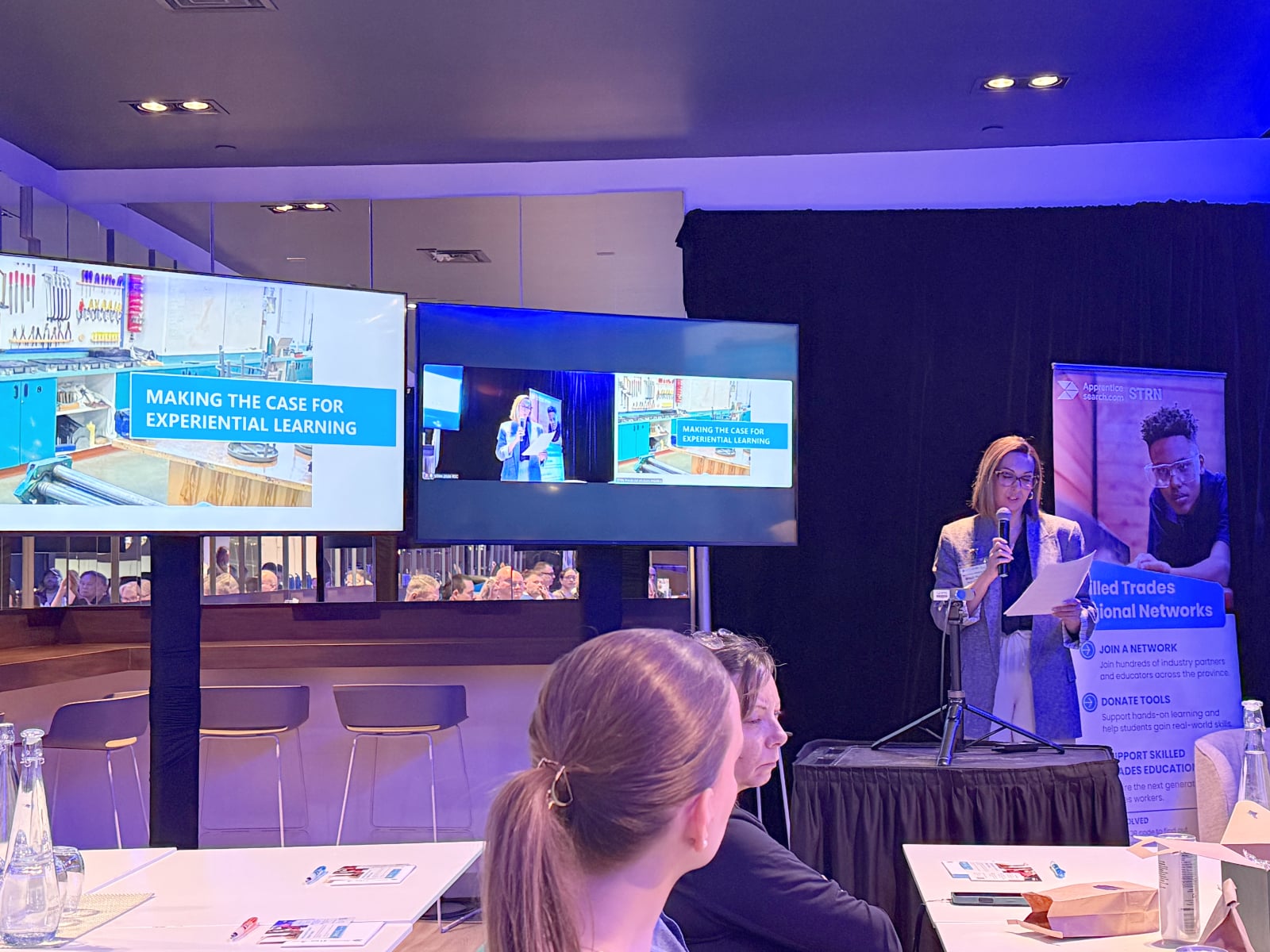
On May 5, 2026, the Skilled Trades Regional Networks (STRN) welcomed industry, education, labour, and community partners from across Ontario to the...